
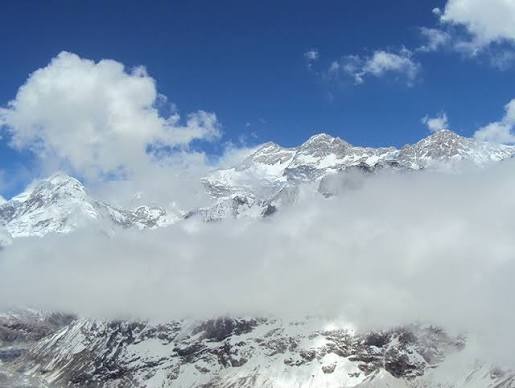
Lunadhar Khang (Unclimed Peak)
Overview
The Lunadhar Khang Expedition is a challenging high-altitude climbing adventure in the remote and spectacular Upper Mustang region of Nepal. This 18-day expedition takes climbers through ancient Himalayan villages, dramatic desert landscapes, and untouched mountain wilderness before reaching the base of Lunadhar Khang, a rarely explored peak standing at approximately 5,811 meters.
The journey begins in Kathmandu and continues through Pokhara, Jomsom, and the culturally rich villages of Upper Mustang. Following the historic trails of the Kali Gandaki Valley, climbers experience Tibetan-influenced culture, ancient monasteries, unique cliff formations, and the breathtaking landscapes of the Himalayan rain-shadow region.
After trekking through Kagbeni, Chhusang, Ghami, Charang, and Dhigaun, the expedition enters the remote climbing zone where Lunadhar Base Camp is established. The team spends time acclimatizing, conducting climbing training, and preparing for the ascent through High Camp I and High Camp II.
The summit attempt involves technical mixed climbing across snow, ice, and rock terrain, requiring strong physical fitness, mountaineering skills, and proper preparation. Reaching the summit of Lunadhar Khang offers incredible panoramic views of the Mustang Himalayas and represents a remarkable achievement in one of Nepal’s most remote mountain regions.
This expedition combines adventure, technical climbing, cultural discovery, and wilderness exploration, making it ideal for experienced climbers seeking a unique Himalayan challenge away from the crowded trekking routes.
Day-by-Day Itinerary
Detailed breakdown of your trekking journey
The expedition begins with your arrival in Kathmandu. You will be welcomed at Tribhuvan International Airport and transferred to your hotel. The day is reserved for rest, preparation, and an expedition briefing covering the route, safety, weather, and equipment checks.
Highlights
- • Airport arrival and transfer
- • Hotel check-in and rest
- • Gear inspection and preparation
- • Expedition briefing
Take a scenic flight from Kathmandu to Pokhara with beautiful views of Annapurna, Manaslu, and Dhaulagiri ranges. The day is used for final expedition preparation, logistics, and equipment organization before entering Upper Mustang.
Highlights
- • Scenic Himalayan flight
- • Mountain views of Annapurna and Dhaulagiri
- • Final logistics preparation
- • Equipment organization
Fly to Jomsom and begin trekking through the Kali Gandaki valley toward Kagbeni, the gateway to Upper Mustang. Experience the dry Himalayan landscape and Tibetan-influenced culture.
Highlights
- • Flight over Himalayan valleys
- • Entry into Mustang region
- • Kali Gandaki valley trekking
- • Visit historic Kagbeni village
Continue through the arid landscapes of Upper Mustang with dramatic cliffs, canyons, and ancient cave settlements along the route.
Highlights
- • Mustang desert landscape
- • Canyon and cliff views
- • Ancient cave settlements
- • Gradual acclimatization
Ascend deeper into Upper Mustang, passing Buddhist monuments, mani walls, and prayer flags before reaching the culturally important village of Ghami.
Highlights
- • Tibetan Buddhist landmarks
- • Ancient mani walls
- • High Mustang plateau
- • Acclimatization progress
Cross the dry and peaceful Mustang landscape to reach Charang, a historic settlement known for its monastery and fortress-style architecture.
Highlights
- • Historic Mustang village
- • Ancient monastery
- • High-altitude trekking experience
- • Continued acclimatization
Enter more remote and rugged terrain as you approach the final settlement before base camp. Prepare mentally and physically for the climbing phase.
Highlights
- • Remote alpine desert terrain
- • Cold and windy conditions
- • Last settlement before base camp
- • Expedition preparation
Leave all settlements behind and enter the wilderness of Upper Mustang. Establish Lunadhar Base Camp with tents, kitchen facilities, and communication systems.
Highlights
- • Remote Himalayan wilderness
- • Base camp setup
- • Final climbing preparation
- • Expedition camp establishment
Rest and acclimatize at base camp with short hikes, climbing practice, rope training, and route assessment with the climbing team.
Highlights
- • Acclimatization hike
- • Technical training
- • Route scouting
- • Weather assessment
Begin climbing through mixed rock and snow terrain. Establish High Camp I in preparation for the higher climbing sections.
Highlights
- • Technical climbing terrain
- • Mixed rock and snow ascent
- • High Camp establishment
- • Rope-assisted climbing
Conduct a rotation climb above High Camp I to improve acclimatization and check route conditions before moving higher.
Highlights
- • High-altitude adaptation
- • Route testing
- • Snow and wind assessment
- • Safety preparation
Move through steeper and more exposed terrain to establish the final camp before the summit attempt.
Highlights
- • Technical ridge climbing
- • High exposure terrain
- • Summit preparation
- • Final camp setup
Begin the summit push before sunrise. Climb through snow, ice, and rock sections to reach the summit of Lunadhar Khang before descending safely back to camp.
Highlights
- • Summit attempt
- • Technical mixed climbing
- • Historic peak achievement
- • Panoramic Himalayan views
Descend back to base camp, recover after the summit attempt, and organize expedition equipment.
Highlights
- • Safe descent
- • Equipment recovery
- • Post-summit rest
- • Expedition review
Descend back toward inhabited areas of Mustang while enjoying easier trekking conditions and cultural landscapes.
Highlights
- • Return to villages
- • Lower altitude recovery
- • Mustang culture
- • Recovery trekking
Continue descending through the Kali Gandaki valley and return to Jomsom, completing the trekking section of the expedition.
Highlights
- • Exit Upper Mustang
- • Kali Gandaki valley views
- • Return to transport access
- • Expedition completion phase
Take a scenic flight back to Pokhara and continue to Kathmandu. Celebrate the expedition success and complete final debriefing.
Highlights
- • Scenic mountain flight
- • Expedition completion
- • Final briefing
- • Departure preparation
After breakfast, transfer to Tribhuvan International Airport for your international departure. The Lunadhar Khang expedition officially concludes.
Highlights
- • Airport transfer
- • Final departure
- • Expedition completion
Cost Details
Cost Includes
- Airport transfers in Kathmandu
- Domestic flights Kathmandu–Pokhara–Jomsom and Jomsom–Pokhara–Kathmandu
- Hotel accommodation in Kathmandu and Pokhara
- All trekking and camping accommodation during the expedition
- Experienced English-speaking trekking guide and climbing leader
- High-altitude climbing Sherpa/support staff
- Required climbing permits and Upper Mustang restricted area permits
- National park and conservation area permits
- TIMS card and necessary trekking permits
- All meals during the trek and expedition (Breakfast, Lunch, Dinner)
- Tea, coffee, and basic refreshments during the trek
- Camping equipment including tents, dining tent, kitchen equipment, and sleeping arrangements
- Base Camp and High Camp setup and support
- Kitchen staff and expedition crew
- Climbing ropes, fixed rope support, and group climbing equipment
- Guide and staff insurance, salary, food, and accommodation
- First aid medical kit and basic medical support
- Satellite communication and emergency coordination support
- Airport and ground transportation as per itinerary
- Government taxes and official service charges
Cost Excludes
- International airfare to and from Nepal
- Nepal tourist visa fees
- Personal travel insurance (mandatory, including high-altitude rescue coverage up to 6,000 m)
- Personal climbing equipment and gear
- Personal clothing and trekking equipment
- Extra hotel nights in Kathmandu or Pokhara due to early arrival, late departure, or weather delays
- Extra meals outside the expedition itinerary
- Alcoholic drinks, soft drinks, bottled water, and personal snacks
- Personal expenses such as Wi-Fi, charging, laundry, and phone calls
- Emergency helicopter evacuation and medical expenses
- Tips for guides, climbing Sherpas, porters, and support staff
- Extra costs caused by bad weather, natural disasters, flight delays, political issues, or unforeseen circumstances
- Any services not mentioned under "Cost Includes"
Payment Terms
Advance Deposit Payment (40%): 40% advance payment is needed to ensure your booking.
Balance (60%): Balance payment has to be made prior to the tour departure date as agreed upon at the time of booking.
Such procedure guarantees your booking while providing an opportunity for additional payment arrangements.
Equipment Lists
- Mountaineering boots (compatible with crampons)
- Warm sleeping bag (-20°C rated)
- Four-season down jacket
- Waterproof jacket and pants
- Insulated climbing pants
- Thermal base layers (top and bottom)
- Fleece jacket or warm mid-layer
- Trekking pants and quick-dry shirts
- Warm hat and sun hat
- Neck gaiter or buff
- Gloves (inner liner gloves and insulated outer gloves)
- Trekking socks and mountaineering socks
- Gaiters for snow and dust protection
- Trekking poles
- Mountaineering backpack (40–50L)
- Duffel bag for expedition gear
- Headlamp with extra batteries
- UV-protection sunglasses (category 4 recommended)
- Snow goggles
- Climbing harness
- Mountaineering helmet
- Crampons
- Ice axe
- Jumar/ascender and descender device
- Carabiners and climbing slings
- Personal climbing equipment
- Water bottles or hydration system (2–3 liters capacity)
- Water purification tablets or filter
- Personal first aid kit
- Personal medications
- High SPF sunscreen and lip balm
- Toiletries and quick-dry towel
- Power bank and charging cables
- Camera and personal electronics
- Passport and required travel documents
Note:
Lunadhar Khang is a technical high-altitude climbing expedition reaching 5,811 meters, so proper mountaineering equipment is essential. Climbers must be prepared for cold temperatures, strong winds, snow, ice, and mixed rock terrain. Personal climbing gear such as mountaineering boots, crampons, ice axe, harness, helmet, and suitable cold-weather clothing should be high quality and properly tested before the expedition. A warm sleeping bag rated to at least -20°C, layered clothing system, and reliable waterproof gear are mandatory. Some group climbing equipment and expedition support gear will be provided by the expedition team. All personal equipment should be checked during the Kathmandu briefing before departure.
Additional Information
Best Season
The best seasons for the Lunadhar Khang Expedition are Spring (March to May) and Autumn (September to November). These months offer stable weather, clearer skies, better visibility, and safer climbing conditions. Spring provides warmer conditions and longer daylight, while autumn offers excellent mountain views and more predictable weather.
Required Fitness Level
This expedition requires excellent physical fitness and previous high-altitude trekking or climbing experience. Climbers should be able to walk 6–8 hours daily on challenging terrain while carrying a backpack. Experience with snow climbing, ice axe, crampons, and rope techniques is highly recommended. Good endurance, mental strength, and preparation for long summit days are essential.
Visa Information
Travel Insurance
Important Notes
Frequently Asked Questions
Trip Summary
Need Help?
Have questions about this trip? Our team is here to help!
Join Our Adventure Community
Subscribe to the Apex Himalaya newsletter for exclusive travel tips, new trek announcements, special offers, and inspiring stories from the world's highest peaks.
Your privacy matters to us. We never share your information with third parties and keep all data secure. You can unsubscribe from our newsletter anytime with just one click. View our privacy policy.
We are Affiliated with


