
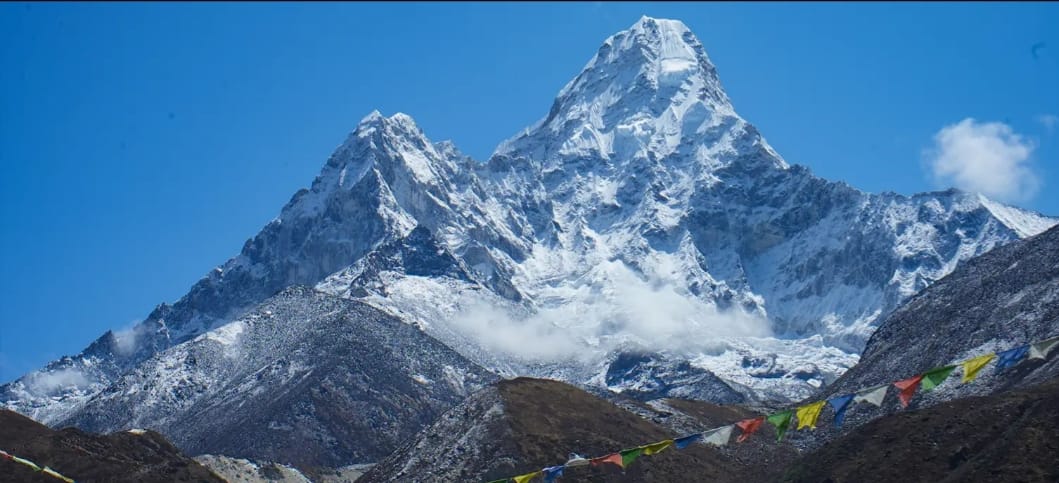
Standard Everest Base Camp Trek 16 Days
Overview
The Standard Everest Base Camp Trek 16 Days is a legendary Himalayan adventure that takes you through breathtaking landscapes, traditional Sherpa villages, and the heart of the Everest region. This journey offers a perfect combination of natural beauty, cultural experiences, and high-altitude adventure.
Explore stunning mountain views, ancient monasteries, and remote trails while being supported by our experienced trekking team. The highlight of the trek is reaching Everest Base Camp (5,364m) and enjoying spectacular Himalayan panoramas from Kala Patthar (5,545m). This unforgettable adventure promises memories that will last a lifetime.
Day-by-Day Itinerary
Detailed breakdown of your trekking journey
Welcome to Nepal! Upon your arrival at Tribhuvan International Airport, our representative will greet you and transfer you to your hotel in Kathmandu. After check-in, you can relax or explore the vibrant streets of Thamel, a popular tourist hub filled with trekking shops, cafés, and local culture.
Today is dedicated to preparation for the Standard Everest Base Camp Trek. We will conduct a detailed trip briefing, introduce you to your trekking guide, check your equipment, arrange permits, and ensure everything is ready for your Himalayan adventure.
Our Everest adventure officially begins with a scenic mountain flight from Kathmandu to Lukla. After meeting the porter team, we begin trekking through beautiful Sherpa villages, crossing suspension bridges, and walking alongside the Dudh Koshi River before reaching Phakding for an overnight stay.
We continue our journey through Sagarmatha National Park, crossing several suspension bridges and enjoying views of Everest region peaks. The trail gradually climbs toward Namche Bazaar, the famous Sherpa trading town and gateway to Everest, where we spend the night.
A rest and acclimatization day helps our bodies adjust to the increasing altitude. We hike to Everest View Hotel for stunning panoramic views of Mount Everest, Ama Dablam, Lhotse, and other Himalayan peaks. We also explore Namche’s markets and Sherpa culture.
The trail offers spectacular views of Everest, Thamserku, and Ama Dablam as we walk through rhododendron forests and scenic mountain landscapes. We arrive at Tengboche, home to the famous Tengboche Monastery, where we experience the spiritual atmosphere of the Everest region.
We descend through forests and cross the Imja Khola before gradually climbing toward Dingboche. The landscape becomes more alpine with dramatic mountain views surrounding us. Dingboche is a beautiful Sherpa village known as the gateway to higher Everest trails.
Another important acclimatization day allows us to prepare for higher elevations. We hike to Nagarjun Hill or Chhukung Valley for magnificent views of Makalu, Lhotse, Island Peak, and surrounding Himalayan peaks before returning to Dingboche.
We continue through the high Himalayan landscape, passing memorials dedicated to climbers who lost their lives on Everest expeditions. The trail gradually climbs to Lobuche, offering breathtaking views of Nuptse, Pumori, and other surrounding peaks.
Today is the highlight of the trek. We walk across the rugged glacial terrain toward Everest Base Camp, standing at the foot of the world's highest mountain. After celebrating this achievement and enjoying the incredible surroundings, we return to Gorak Shep for overnight stay.
Early morning, we hike to Kala Patthar, the best viewpoint for sunrise views of Mount Everest, Lhotse, Nuptse, and the Khumbu Glacier. After capturing unforgettable memories, we descend toward Pheriche for a comfortable overnight stay.
We retrace our route through beautiful Sherpa villages and forests. The descending trail provides relaxing views of the mountains as we return to Namche Bazaar, where we celebrate our successful journey through the Everest region.
Our final trekking day follows the Dudh Koshi River back to Lukla. We pass through familiar villages and suspension bridges while enjoying the last views of the Himalayan landscape. In Lukla, we celebrate the completion of our trek with the team.
After breakfast, we take a scenic mountain flight from Lukla back to Kathmandu. Upon arrival, you will be transferred to your hotel. The rest of the day is free for shopping, sightseeing, or relaxing.
Enjoy a free day in Kathmandu to explore cultural heritage sites, purchase souvenirs, or relax after the trek. In the evening, we celebrate the successful completion of the Everest Base Camp adventure with a farewell dinner.
Our representative will transfer you to Tribhuvan International Airport for your onward journey. We wish you a safe flight and hope to welcome you again for another Himalayan adventure.
Cost Details
Cost Includes
- Cost Includes
- Airport transfers (pick up and drop off) in Kathmandu
- Standard hotel accommodation in Kathmandu before and after the trek
- All necessary permits and entry fees required for the Standard Everest Base Camp Trek 16 Days
- Experienced, English-speaking trekking guide and professional porter team
- All meals (Breakfast, Lunch, and Dinner) during the trek
- Accommodation in comfortable teahouses/lodges during the trek
- Domestic flights: Kathmandu–Lukla–Kathmandu
- Trekking staff salary, insurance, meals, and accommodation
- Comprehensive first aid and medical kit
- Farewell dinner in Kathmandu
- Government taxes and official service charges
Cost Excludes
- International flight tickets
- Nepal entry visa fee
- Travel insurance covering medical expenses, emergency evacuation, and helicopter rescue
- Personal expenses such as phone calls, laundry, internet, battery charging, hot showers, bottled water, bar bills, and other personal services
- Extra porter services if required
- Tips for trekking guide, porter, and driver
- Expenses caused by flight delays, bad weather, natural disasters, or unforeseen circumstances
- Any services not mentioned under the Cost Includes section
Payment Terms
Please pay the remaining balance 30 days before the trip departure.
We accept payments via Credit Card, Bank Transfer, and Cash (USD or NPR).
Any bank transfer or online payment charges are the client's responsibility.
Cancellation and refund requests are subject to our Booking and Cancellation Policy.
Customized trips and private departures may have different payment terms.
Equipment Lists
- Clothing
- Moisture-wicking base layers (thermal top and bottom)
- Lightweight trekking shirts (3–4 pieces)
- Long-sleeve trekking shirts (1–2 pieces)
- Trekking pants (2–3 pairs)
- Warm fleece jacket or mid-layer
- Insulated down jacket (essential for high-altitude areas above 4,000m)
- Waterproof and windproof trekking jacket
- Waterproof trekking pants (recommended for rain, snow, and windy conditions)
- Comfortable underwear and trekking socks (5–6 pairs)
- Warm woolen hat or beanie
- Sun hat or cap
- Warm gloves and lightweight inner gloves
- Buff, neck gaiter, or scarf
- Comfortable sleepwear for teahouses
- Gaiters (recommended during snowy conditions, especially near Everest Base Camp)
- Footwear
- Comfortable, waterproof trekking boots with strong ankle support
- Lightweight sandals or camp shoes for evenings at teahouses
- Trekking socks (wool or synthetic, moisture-wicking)
- Spare shoelaces
- Blister prevention tape or foot care supplies
- Trekking Gear
- Daypack (25–35 liters) with comfortable shoulder straps
- Duffel bag (carried by porter, usually 50–70 liters)
- Trekking poles (highly recommended for uphill and downhill sections)
- Backpack rain cover
- Reusable water bottles or hydration bladder (2 liters capacity)
- Water purification tablets or water filter
- Headlamp with extra batteries
- Sleeping bag (recommended comfort rating: -10°C to -15°C)
- Microspikes (recommended during winter or snowy seasons)
- Trekking towel (quick-dry type)
- Travel lock for duffel bag
- Personal Items
- High SPF sunscreen (SPF 50+ recommended)
- Lip balm with UV protection
- Sunglasses with 100% UV protection (Category 3 or 4 recommended)
- Personal toiletries and hygiene items
- Quick-dry towel
- Wet wipes and hand sanitizer
- Toilet paper and small waste bag
- Personal medications
- Basic first-aid kit (bandages, blister care, pain relief, altitude medication as prescribed)
- Water bottle or thermos flask
- Passport and passport-size photographs for permits
- Extra passport copies
- Cash in Nepali Rupees for personal expenses along the trail
- Small personal snacks or energy bars
- Electronics and Optional Items
- Camera or smartphone with charger
- Power bank (10,000–20,000 mAh recommended)
- Universal travel adapter
- Extra batteries
- Binoculars (optional)
- Notebook and pen
- Book, cards, or entertainment for evenings
- Earplugs and eye mask for better sleep in teahouses
Note:
Most trekking equipment, including sleeping bags, down jackets, trekking poles, duffel bags, and rain gear, can be rented or purchased in Kathmandu before the trek. Our team can assist with equipment arrangements during the pre-trek briefing. The Everest Base Camp Trek reaches an altitude of 5,364 meters (17,598 ft) at Everest Base Camp and 5,545 meters (18,192 ft) at Kala Patthar. Temperatures can drop below freezing, especially during early mornings, nights, and at higher elevations. Warm and proper layering is essential. A good-quality sleeping bag rated around -10°C to -15°C is highly recommended as nights at Lobuche, Gorak Shep, and higher villages can be extremely cold. Waterproof and windproof clothing is important because mountain weather can change quickly, with strong winds, rain, and snowfall possible at higher elevations. Wear your trekking boots before arriving in Nepal to ensure they are comfortable and properly broken in. New boots can cause blisters during long trekking days. Pack light and carry only essential items. If using a porter, the recommended luggage limit is around 10–12 kg per trekker (maximum 20–25 kg per porter depending on conditions). Stay hydrated throughout the trek. Carry reusable bottles and use water purification tablets or filters to reduce plastic waste and protect the Himalayan environment. Layering your clothing is the best way to manage changing temperatures, from warm sunny afternoons in lower villages to freezing conditions near Everest Base Camp.
Additional Information
Best Season
The best seasons for the Standard Everest Base Camp Trek are Spring (March–May) and Autumn (September–November). During these periods, the weather is generally stable, skies are clear, and mountain views are at their best. Spring offers blooming rhododendron forests and warmer temperatures, while autumn provides excellent visibility and comfortable trekking conditions. Winter (December–February) is possible for experienced trekkers who are prepared for cold temperatures, snowfall, and freezing conditions at higher elevations. The monsoon season (June–August) is less recommended due to rain, cloudy weather, and possible flight delays to Lukla.
Required Fitness Level
The Everest Base Camp Trek requires a good level of physical fitness and mental preparation. No technical climbing skills are required, but trekkers should be comfortable walking 5–7 hours per day on varied terrain, including steep uphill and downhill sections. The trek reaches a maximum altitude of 5,545 meters (18,192 ft) at Kala Patthar, where the effects of high altitude can be challenging. Regular cardio exercises, hiking practice, and strength training before the trek are highly recommended. Previous trekking experience is beneficial but not mandatory. A positive attitude, patience, and the ability to walk at a slow and steady pace are important for a successful journey.
Visa Information
Required documents:
Valid passport with at least 6 months validity
Passport-size photographs (recommended)
Completed visa application form
Approximate visa fees:
15 Days Visa: USD 30
30 Days Visa: USD 50
90 Days Visa: USD 125
Visa fees are subject to change according to Nepal government regulations.
Travel Insurance
High-altitude trekking up to 6,000 meters
Emergency helicopter evacuation
Medical treatment and hospitalization
Trip cancellation or interruption
Lost baggage and personal belongings
Trekkers must provide a copy of their insurance policy before starting the trek.
Important Notes
Altitude sickness is a possible risk during the trek. Our itinerary includes proper acclimatization days in Namche Bazaar and Dingboche to help your body adjust safely.
Our experienced guides are trained in altitude sickness awareness, first aid, and emergency response.
The Lukla flight schedule depends on weather conditions and visibility. Flight delays or cancellations may occur due to mountain weather.
Drinking enough water, maintaining a slow pace, and following the guide’s advice are essential for a safe trekking experience.
Respect local Sherpa culture, traditions, monasteries, and the natural environment throughout the journey.
Frequently Asked Questions
Trip Summary
Need Help?
Have questions about this trip? Our team is here to help!
Join Our Adventure Community
Subscribe to the Apex Himalaya newsletter for exclusive travel tips, new trek announcements, special offers, and inspiring stories from the world's highest peaks.
Your privacy matters to us. We never share your information with third parties and keep all data secure. You can unsubscribe from our newsletter anytime with just one click. View our privacy policy.
We are Affiliated with


