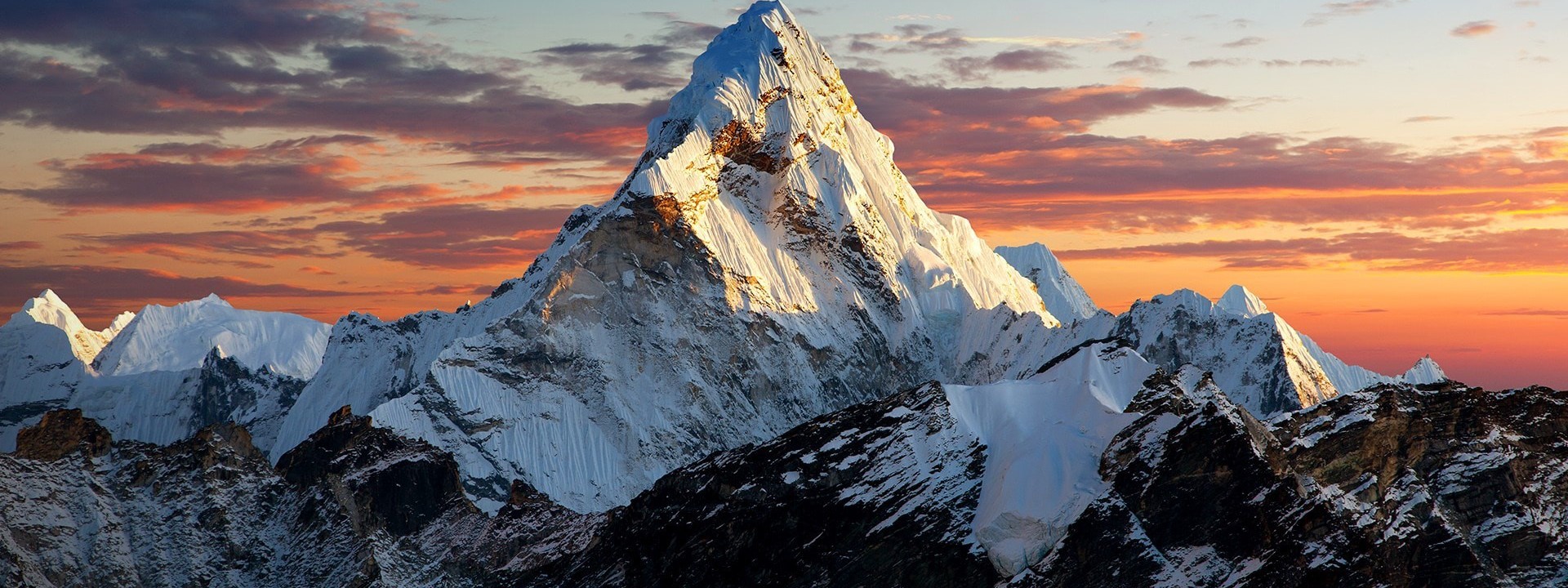
Ama Dablam Expedition 30 Days
Overview
The Ama Dablam Expedition 30 Days is one of our most popular and rewarding adventures. This incredible journey takes you through some of the most stunning landscapes, offering a perfect blend of natural beauty, cultural immersion, and physical challenge.
Experience the thrill of exploring remote terrains while being supported by our expert team. Whether you are seeking panoramic mountain views, dense forest trails, or fascinating local encounters, this trip promises unforgettable memories that will last a lifetime.
Day-by-Day Itinerary
Detailed breakdown of your trekking journey
Arrive in Kathmandu, Nepal. Complete immigration formalities, meet the representative, and transfer to your hotel. Rest after your journey and explore Thamel in the evening.
Preparation day for permits, equipment checks, last-minute shopping, and a complete expedition briefing covering climbing strategy, route conditions, and safety procedures.
Drive to Manthali Airport, fly to Lukla, organize expedition loads, and trek through Sherpa villages and forests to Phakding.
Cross suspension bridges, enter Sagarmatha National Park, and climb through forests to Namche Bazaar.
Hike to Hotel Everest View and explore Khumjung village, Hillary School, and Museum.
Walk through forests with views of Ama Dablam and visit Tyangboche Monastery.
Descend through forests and trek to Pangboche, one of the oldest Sherpa settlements.
Trek beneath Ama Dablam and arrive at the base camp.
Climbing preparation, acclimatization rotations, technical training, summit attempt, and return to base camp depending on conditions.
Descend through Pangboche and Deboche back to Tyangboche.
Descend through Namche Bazaar and forests to Monjo.
Final trekking day returning to Lukla.
Morning flight to Manthali followed by a drive to Kathmandu.
Free day for rest, shopping, and sightseeing.
Buffer day for weather delays or expedition adjustments.
Optional sightseeing and cultural exploration in Kathmandu Valley.
Final shopping, packing, and relaxation before departure.
Transfer to Kathmandu International Airport for your onward flight.
Cost Details
Cost Includes
- Airport transfers in Kathmandu as per the itinerary
- Hotel accommodation in Kathmandu as mentioned in the itinerary
- Domestic flights: Manthali–Lukla and Lukla–Manthali
- Private transportation between Kathmandu and Manthali Airport
- Ama Dablam climbing permit and necessary expedition permits
- Sagarmatha National Park entry permit
- Local government permits and expedition documentation
- Experienced expedition leader / climbing guide
- Sherpa climbing guides and support staff
- Porters for trekking and expedition equipment transportation
- Full board meals during trekking and climbing period (Breakfast, Lunch, Dinner)
- Teahouse/lodge accommodation during trekking days
- Camping accommodation at Ama Dablam Base Camp and high camps
- Base Camp kitchen and dining arrangements
- Expedition cook and kitchen staff at Base Camp
- Group climbing equipment support including ropes and safety equipment
- Fixed rope support and route preparation where applicable
- High-altitude tents during the climbing period
- Wages, meals, insurance, and equipment allowance for Nepalese staff
- Trekking and climbing briefing in Kathmandu
- Basic first aid medical kit and emergency support
- Waste management and environmental fees during the expedition
Cost Excludes
- International flights to and from Nepal
- Nepal entry visa fee
- Travel insurance including high-altitude rescue and helicopter evacuation coverage
- Personal climbing equipment (mountaineering boots, down suit, crampons, ice axe, harness, helmet, climbing clothing, etc.)
- Personal expenses such as laundry, internet, phone calls, and battery charging
- Extra hotel nights and meals in Kathmandu outside the itinerary
- Alcoholic beverages, bottled drinks, and snacks
- Personal medication and medical expenses
- Emergency evacuation and rescue costs
- Tips for guides, Sherpas, porters, drivers, and support staff
- Additional costs due to bad weather, flight delays, natural disasters, political situations, or unforeseen circumstances
- Extra accommodation or meals caused by itinerary changes
- Personal shopping and souvenirs
- Summit bonus or additional gratuities for climbing staff
- Any services not specifically mentioned under "Includes"
Payment Terms
Advance Deposit Payment (40%): 40% advance payment is needed to ensure your booking.
Balance (60%): Balance payment has to be made prior to the tour departure date as agreed upon at the time of booking.
Such procedure guarantees your booking while providing an opportunity for additional payment arrangements.
Equipment Lists
- Mountaineering boots (compatible with crampons)
- Hiking boots (broken in)
- Warm sleeping bag (-20°C rated recommended)
- Down jacket
- Expedition down suit (for summit attempt)
- Waterproof jacket and pants (Gore-Tex recommended)
- Insulated climbing jacket
- Fleece jacket and warm layers
- Thermal base layers (top and bottom)
- Trekking pants and climbing pants
- Warm gloves and inner liner gloves
- Expedition mittens
- Warm hat / beanie
- Sun hat or cap
- Neck gaiter / buff
- Mountaineering socks and trekking socks
- Gaiters
- Crampons
- Ice axe
- Climbing harness
- Helmet
- Jumar / ascender
- Belay device and locking carabiners
- Climbing slings and personal anchor system
- Mountaineering sunglasses (Category 4)
- Ski goggles
- Headlamp with extra batteries
- Trekking poles
- Water bottles or hydration system
- Water purification tablets/filter
- Duffel bag for expedition gear
- Daypack (30–40L)
- Dry bags for protecting equipment
- Personal toiletries and quick-dry towel
- Personal first aid kit
- Personal medication
- Sunscreen and lip balm (SPF 50+)
- Camera and spare batteries/power bank
- Personal snacks and energy bars
Note:
All personal climbing equipment should be tested and familiar before arriving in Nepal. Mountaineering boots must be suitable for high-altitude climbing and compatible with crampons. A warm sleeping bag rated to at least -20°C is strongly recommended for Base Camp and higher camps. Down jacket and expedition down suit are essential for cold conditions during the summit push. Technical climbing equipment such as ropes, fixed lines, and group safety gear will be managed by the expedition team where applicable. Pack light but ensure all essential high-altitude gear is included. Equipment rental options may be available in Kathmandu for some items if required. Bring spare batteries, charging devices, and protective covers as charging facilities are limited during trekking and climbing.
Additional Information
Best Season
The best seasons for the Ama Dablam Expedition are Spring (March–May) and Autumn (September–November). These periods offer more stable weather conditions, clearer skies, better visibility, and favorable climbing conditions. Spring is especially popular for summit attempts, while autumn provides excellent mountain views and stable trekking conditions.
Required Fitness Level
A high level of physical fitness is required for the Ama Dablam Expedition. Climbers should be able to walk 6–8 hours daily at high altitude while carrying a backpack. Previous high-altitude trekking or mountaineering experience is strongly recommended. Participants should have good endurance, strength, mental resilience, and experience with basic climbing techniques such as using crampons, ropes, and ice axes.
Visa Information
15-day visa: USD 30
30-day visa: USD 50
90-day visa: USD 125
Travel Insurance
High-altitude mountaineering activities (up to 7,000m or above)
Emergency helicopter evacuation
Medical treatment expenses
Trip cancellation/interruption
Loss or damage of personal equipment and baggage
Important Notes
Proper acclimatization is essential to reduce the risk of altitude-related problems.
A slow and steady pace will be maintained during the trek and climbing period.
Climbers must bring appropriate personal climbing equipment as listed in the equipment checklist.
Flight schedules between Kathmandu/Manthali and Lukla are weather dependent and may be delayed.
Participants should have realistic expectations regarding summit success, as safety remains the highest priority.
Respect for local culture, environment, and Sherpa traditions is expected throughout the expedition.
Frequently Asked Questions
Trip Summary
Need Help?
Have questions about this trip? Our team is here to help!
Join Our Adventure Community
Subscribe to the Apex Himalaya newsletter for exclusive travel tips, new trek announcements, special offers, and inspiring stories from the world's highest peaks.
Your privacy matters to us. We never share your information with third parties and keep all data secure. You can unsubscribe from our newsletter anytime with just one click. View our privacy policy.
We are Affiliated with