
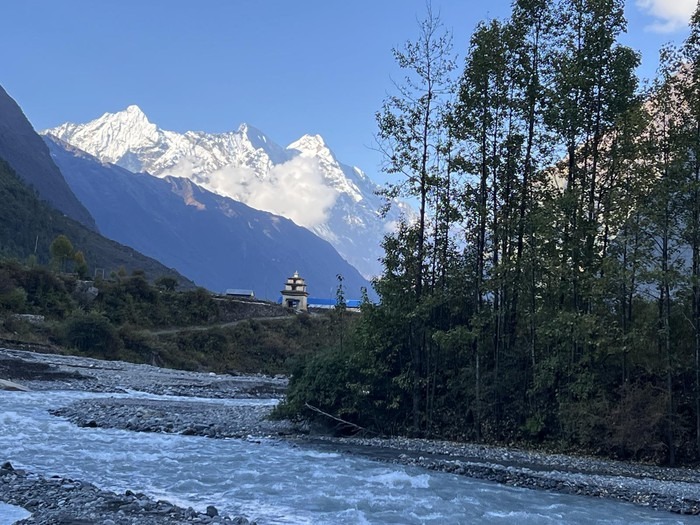
Tsum Valley Trek
Overview
The Tsum Valley Trek is one of Nepal's most unique and spiritually enriching trekking adventures, leading you into the hidden valley of Tsum in the northern Gorkha District near the Tibetan border. Known as the "Hidden Valley of Happiness," Tsum Valley remained isolated from the outside world for centuries, preserving its ancient Tibetan Buddhist culture, traditional villages, and peaceful way of life. This remarkable journey combines breathtaking Himalayan scenery with a rich cultural experience, making it an ideal trek for those seeking both adventure and authenticity.
The trek follows the beautiful Budhi Gandaki River before branching into the secluded Tsum Valley, where you'll pass through charming stone villages, lush forests, suspension bridges, colorful prayer flags, and centuries-old monasteries. Highlights include visits to the sacred Mu Gompa, Rachen Gompa, and the famous Milarepa Cave, along with spectacular views of Ganesh Himal, Sringi Himal, Himalchuli, and Boudha Himal. Along the way, you'll have the opportunity to interact with welcoming local communities whose traditions and lifestyles remain deeply rooted in Tibetan Buddhism.
Unlike Nepal's busier trekking routes, the Tsum Valley Trek offers peaceful trails, fewer crowds, and an authentic Himalayan experience. Comfortable teahouse accommodation, delicious local meals, and the support of our experienced guides ensure a safe and enjoyable journey. Whether you are drawn by the region's stunning mountain landscapes, fascinating culture, or spiritual significance, the Tsum Valley Trek promises an unforgettable adventure and memories that will last a lifetime.
Day-by-Day Itinerary
Detailed breakdown of your trekking journey
Welcome to Nepal! Upon your arrival at Tribhuvan International Airport, our representative will greet you and transfer you to your hotel. After checking in, you can relax or explore the lively streets of Thamel. Overnight stay at a hotel in Kathmandu.
Meet your trekking guide for a detailed pre-trip briefing. We will review the itinerary, inspect your trekking equipment, arrange the necessary permits, and ensure everything is ready for your Tsum Valley adventure.
After an early breakfast, drive from Kathmandu to Machha Khola via Arughat and Soti Khola. Enjoy scenic views of rivers, terraced hillsides, and traditional villages before reaching Machha Khola for an overnight stay.
Begin your trek following the Budhi Gandaki River. Cross suspension bridges, pass waterfalls, forests, and small settlements before arriving at Jagat, the gateway to the Manaslu Conservation Area.
Walk through Sirdibas and Philim before reaching the junction where the trail enters the hidden Tsum Valley. Cross the Siyar Khola and continue through beautiful forests to the peaceful village of Lokpa.
Descend into a deep gorge before climbing through pine and rhododendron forests to Chumling. Visit Panago Gompa and enjoy spectacular views of Ganesh Himal and the surrounding valleys.
Enter the Upper Tsum Valley by crossing suspension bridges and climbing through traditional Tibetan-influenced villages. Enjoy panoramic mountain views and explore the rich Buddhist culture of Chekampar.
Continue your journey through Lamagaon and visit the sacred Milarepa Cave and Rachen Gompa before reaching Nile, the last permanent settlement in the Tsum Valley near the Tibetan border.
Hike to Mu Gompa, the largest and most important monastery in the Tsum Valley. Explore the ancient monastery, admire magnificent Himalayan views, and return to Nile for an overnight stay.
Retrace your steps through the Upper Tsum Valley, passing traditional villages, mani walls, and monasteries before descending to Chumling for an overnight stay.
Descend through lush forests and terraced fields, crossing suspension bridges over the Siyar Khola before rejoining the main Manaslu trekking route at Philim.
Continue descending alongside the Budhi Gandaki River, passing Jagat, Tatopani, and Doban before reaching Machha Khola. Celebrate your final night in the mountains.
Drive back to Kathmandu along the scenic Budhi Gandaki Valley. Upon arrival, transfer to your hotel and enjoy your final evening in Nepal.
According to your flight schedule, our representative will transfer you to Tribhuvan International Airport for your departure. We hope you leave Nepal with unforgettable memories of the beautiful Tsum Valley Trek.
Cost Details
Cost Includes
- Cost Includes
- Airport transfers on arrival and departure (Tribhuvan International Airport)
- 2 nights standard hotel accommodation in Kathmandu with breakfast
- Local bus transportation from Kathmandu to Machha Khola and Machha Khola to Kathmandu
- All necessary trekking permits:
- Tsum Valley Restricted Area Permit (RAP)
- Manaslu Conservation Area Permit (MCAP)
- Government taxes and official service charges
- Experienced, government-licensed, English-speaking trekking guide
- Porter service (1 porter for every 2 trekkers, carrying up to 20 kg)
- Accommodation in local teahouses/lodges throughout the trek
- Three meals a day (Breakfast, Lunch, and Dinner) during the trek
- Seasonal fresh fruits after dinner during the trek
- Complimentary duffel bag for use during the trek (to be returned after the trip)
- Comprehensive first-aid and medical kit carried by the guide
- All guide and porter expenses, including salary, meals, accommodation, transportation, and insurance
- Farewell dinner at a traditional Nepali restaurant in Kathmandu
- Official trip completion certificate
Cost Excludes
- International airfare to and from Nepal
- Nepal Entry Visa fee
- Travel and emergency evacuation insurance (mandatory)
- Lunch and dinner in Kathmandu (except farewell dinner)
- Personal trekking equipment and clothing
- Personal expenses such as laundry, Wi-Fi, hot shower, battery charging, phone calls, snacks, bottled water, alcoholic and soft drinks
- Tips for guides, porters, and drivers (customary but optional)
- Additional accommodation or transportation due to flight delays, natural disasters, political unrest, or any circumstances beyond our control
- Any services not specifically mentioned under Cost Includes
Payment Terms
Advance Deposit Payment (40%): 40% advance payment is needed to ensure your booking.
Balance (60%): Balance payment has to be made prior to the tour departure date as agreed upon at the time of booking.
Such procedure guarantees your booking while providing an opportunity for additional payment arrangements.
Equipment Lists
- Clothing
- Waterproof trekking boots (well broken-in)
- Lightweight trekking shoes or sandals for the evenings
- Warm down jacket (rated for sub-zero temperatures)
- Waterproof and windproof outer jacket
- Waterproof trekking pants
- Fleece jacket or softshell
- Thermal base layers (top and bottom)
- Quick-dry trekking shirts (2–3)
- Trekking pants (2 pairs)
- Warm hat (beanie)
- Sun hat or cap
- Neck gaiter or buff
- Waterproof gloves and warm inner gloves
- Trekking socks (4–5 pairs)
- Comfortable underwear
- Trekking Gear
- Sleeping bag (rated to -15°C or lower)
- Day backpack (25–35L)
- Duffel bag (provided if using a porter)
- Trekking poles
- Rain cover for backpack
- Water bottles or hydration bladder (2–3 litres capacity)
- Water purification tablets or water filter
- Gaiters (recommended during winter or snowy conditions)
- Personal Items
- High UV protection sunglasses
- Sunscreen (SPF 50+)
- Lip balm with SPF
- Personal first-aid kit
- Prescription medications (if required)
- Toiletries and personal hygiene items
- Quick-dry towel
- Wet wipes
- Hand sanitizer
- Toilet paper
- Electronics
- Headlamp with spare batteries
- Mobile phone
- Camera
- Power bank (10,000–20,000 mAh)
- Charging cables
- Universal travel adapter
- Optional Items
- Binoculars
- Travel pillow
- Notebook and pen
- Playing cards or lightweight games
- Energy bars and trail snacks
- Lightweight crampons (winter departures)
- Camera tripod
Note:
A good pair of waterproof trekking boots is the most important piece of equipment. Please ensure they are well broken-in before the trek. A sleeping bag rated to at least -15°C is strongly recommended, especially during spring, autumn, and winter departures. Down jackets, sleeping bags, trekking poles, and duffel bags can be rented or purchased in Kathmandu at reasonable prices. We recommend dressing in layers, as temperatures can vary significantly between daytime and nighttime. Pack only essential items, keeping your main luggage under 10 kg if you are using a porter. One porter carries up to 20 kg, shared between two trekkers. Carry sufficient personal medications, as medical facilities are very limited in the Tsum Valley. Reusable water bottles and purification tablets are encouraged to help reduce plastic waste and support environmentally responsible trekking.
Additional Information
Best Season
The best seasons for the Tsum Valley Trek are Spring (March to May) and Autumn (September to November). During these months, the weather is stable, skies are generally clear, and mountain views are spectacular. Spring brings blooming rhododendron forests and pleasant temperatures, while autumn offers crisp air, excellent visibility, and ideal trekking conditions. Winter (December to February) is also possible but can be cold with occasional snowfall, whereas the summer monsoon (June to August) brings rain, muddy trails, and leeches in the lower sections.
Required Fitness Level
The Tsum Valley Trek is a moderate trek suitable for anyone with a good level of physical fitness. You should be comfortable walking 5 to 7 hours per day on mountain trails with gradual altitude gain up to 3,700 meters (Mu Gompa). Previous trekking experience is helpful but not essential. Regular walking, hiking, or cardiovascular exercise before the trek is recommended to enhance your enjoyment.
Visa Information
Visa on arrival is available at Tribhuvan International Airport, Kathmandu.
Passport must be valid for at least 6 months from the date of entry.
One recent passport-size photograph is recommended.
Current visa fees are:
15 Days: USD 30
30 Days: USD 50
90 Days: USD 125
Visa fees are subject to change according to the Nepal Immigration Department.
Travel Insurance
High-altitude trekking up to 4,000 meters
Emergency helicopter evacuation
Medical treatment and hospitalization
Accidental injury
Trip cancellation or interruption
Loss or delay of baggage and personal belongings
Please provide your insurance details before the trek begins.
Important Notes
A licensed trekking guide is mandatory for this trek.
Weather in the Himalayas can change rapidly, so pack clothing suitable for both warm days and cold nights.
Respect local customs and Buddhist traditions by walking clockwise around stupas and mani walls and asking permission before photographing people or inside monasteries.
Carry sufficient cash from Kathmandu, as there are no ATMs along the trekking route.
Wi-Fi, charging facilities, and hot showers are available in some villages for an additional fee.
To minimize the risk of altitude sickness, maintain a steady pace, stay hydrated, and follow your guide's advice throughout the trek.
Frequently Asked Questions
Trip Summary
Need Help?
Have questions about this trip? Our team is here to help!
Join Our Adventure Community
Subscribe to the Apex Himalaya newsletter for exclusive travel tips, new trek announcements, special offers, and inspiring stories from the world's highest peaks.
Your privacy matters to us. We never share your information with third parties and keep all data secure. You can unsubscribe from our newsletter anytime with just one click. View our privacy policy.
We are Affiliated with


